Parties unknown blew up the Georgia Guidestones at 4 am this morning.
Uncategorized
Glad to be in Florida
A dozen or so protesters in Maryland block an Interstate highway to protest climate change. A few were arrested, as was this guy, who just wanted to get to the job he was required to go to as a condition of his parole:
Thanks to my governor, a dozen protesters don’t get to veto thousands who want to travel.
This is why I carry cans of pepper spray and tear gas grenades in my truck. Blocking traffic and refusing to allow people to pass is actual coercive force. In Florida, we don’t have to put up with that shit.
Uncategorized
Electric Vehicles
This is why I won’t buy an electric pickup (or any electric vehicle): the new electric F-150 only has a 100 mile range when towing.
Part of owning a vehicle of any type, what makes it such an American experience is that owning a vehicle is freedom. Freedom to go where you want. Electric vehicles with 300 miles or less of range take that from you, tethering you to a short distance from your home. The quintessential American road trip will cease to exist if electric cars become the norm. A part of America will die with the automobile.
Antigun
Property Rights
The Hill is claiming that state law should protect the rights of homeowners by having ‘no carry’ gun defaults on private property. AWA over at GunFreeZone agrees. Here is one of the few times that I disagree with the lads over at GunFreeZone. In the interest of full disclosure, this is what he said:
I believe in both our right to self defense and our property rights. I personally have a rule that on our property if we are having a gathering of people that are not all gun people that concealed carry is allowed but open is not. We have some friends that are to scared of firearms to even look at them in person. That’s fine.
If a business wants to limit firearm possession in their place of business to criminals only, that is their choice.
Let me explain why I disagree.
When I was in high school (many, many years ago) my football coach used to explain to us the difference between involvement and commitment:
When you eat breakfast, the chicken that provided the eggs is involved, but the pig that provided the bacon is committed.
Coaches, especially in the south, have a way with words. Although it is a bit outlandish, my coach’s words reveal an important truth: it is easy to be involved with something, but it takes a lot more to be committed to it. So it is with liberty and rights.
When a company opens a location, the owners of that company risk very little. They have only risked a relatively small amount of money in the endeavor, and are insulated from any personal risk by the very nature of corporate law. If anything should go horribly wrong, the only thing that the nominal owner stands to lose is his investment cash. In other words, stockholders are chickens that are only involved with the business.
It is for that reason that companies make decisions that affect only the bottom line. After all, they are there to protect the owners’ interests, and the only interest the owner has is to get his investment money back with a little extra for his risk. It is this truth which allows government to use the law of unintended consequences to control a business without seeming to.
Let’s apply this to gun laws: As a government entity, I pass a law allowing people to carry concealed weapons, but I place a clause in the law allowing a business owner to opt out of the law. Many property rights people will applaud this law, and think that property rights are protected.
The problem is in the law of unintended consequences. Other laws hold a property owner liable for any act that they allow to take place on their property, but hold them harmless from those acts as long as the property owner has taken reasonable steps to prevent that act. You see the position that you have just placed a corporation in, don’t you? The business is now liable for the actions of any concealed carrier that they allow onto their property, and held harmless for the actions of armed killers, as long as they post a sign that says “no guns.”
The right of property owners has already been shredded. No property owner who wants to avoid a potential multi million dollar lawsuit would allow concealed carry.
Decision making process:
Will I be held liable if CCW shoots someone? Yes
If I prohibit carry, will I be held liable if a criminal kills my customers?
No
Post signs prohibiting carry
Back to our breakfast analogy: The corporate business owners, wanting to protect the only skin they have in the game are our chickens. The business posts the signs banning CCW. The public who frequents that business is now at the mercy of the armed criminals who know that they are now safe to practice their trade, and the business is safely insulated from all liability when it happens.
Congratulations, guns are now banned in public, and you have just cheered them on as they used your rights to make bacon.
I have been making that case for over a decade. That is why I have ignored these signs.
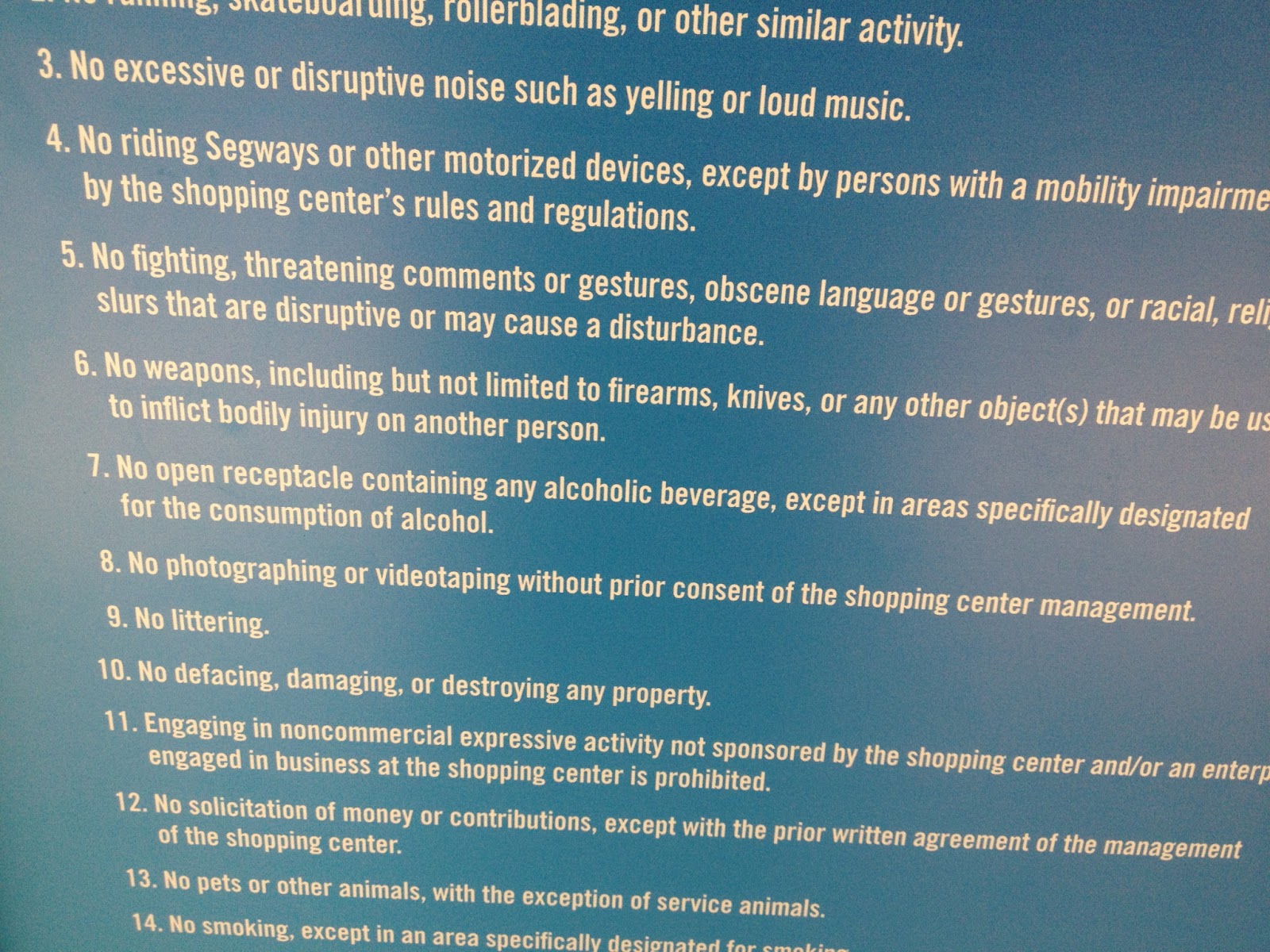
There are those who say that the person could always choose to shop elsewhere, but since the law is the law everywhere, there is no real choice. Very, very few business owners will choose to take the chance of facing a multimillion dollar award.
Gaming the Courts
SCOTUS disagreement
Here is a Washington Post article outlining a difference of opinion between Sotomayor and Gorsuch. In the post itself, they note that Sotomayor herself “noted that the courts have in the past regarded children as particularly susceptible to explicit and implicit pressure.”
One can’t help but wonder if this opinion is consistent when teachers are accused of grooming kids into being sexual deviants.
Uncategorized
I Smell Bullshit
This guy believes the leftist dogma so much that he wishes his mother would have gotten an abortion. Or does he?
It’s very troubling to me that my entire existence is because my mother didn’t have access to abortion. While it’s a cruel question to ask “Would you rather have been aborted?” The answer, for me, is yes. First of all because if I’d been aborted, I wouldn’t know. I wouldn’t exist. But also, it’s very hard to reconcile your own existence when it comes at the cost of someone else’s human rights.
Then he goes on to take the typical leftist position that anything you say with which they disagree is literally violence:
Children like me grew up in an environment where we’re told we were spared from abortion. We were propagandized into thinking abortion is wrong. I believe that is a form of violence. I don’t pretend to know what the answer is for this generation of children who are going to be a product of forced birth, but in my opinion, adoption isn’t it.
But wait a minute. Something isn’t right here.
My birth certificate has the name of my adoptive parents on it, so I knew nothing about my biological parents until I was a teenager, when I opened a box of paperwork which included non-identifying information about them. The paperwork said I’d been born to a 16-year-old girl.
Then he goes on to say:
When my birth mother had me, she already had four children. It was a bit of a mind f***. My mom had four kids? Why did she give me up?
After meeting my sister, I learned the information I’d had about my parents for all those years wasn’t true. In reality, my biological mother was separating from my alcoholic father and didn’t want a fifth child with him. I would have been conceived sometime before Roe v. Wade, so legal, safe abortion was not available for my mother.
I smell bullshit. A 16 year old girl, pregnant with her fifth child was getting a divorce from her alcoholic husband, so put the fifth child up for adoption because Roe v. Wade hadn’t happened yet? When confronted on this timeline discrepancy, he claims that his adoption documents aren’t accurate.
With a name, a city of residence, and a date of birth, it isn’t hard to look up someone’s history. So I dug into his past and into his social media:
- When he tells his story, he leaves out the part where he committed a felony and was placed in pre-trial diversion in a plea deal to avoid jail. He blames his addiction to drugs and alcohol for his crime.
- He blames all of his problems with drugs and alcohol on the fact that he was adopted.
- He openly supported a self avowed socialist who ran for St Pete city council.
- He claims that adoption is actually slavery, because “white women adopt minority children as a form of ownership” of other humans and they are actually racist.
- His social media is a parade of leftist talking points: COVID vaccines, anti-landlord diatribes, climate change. Then it changed to adoption. Ever since, nearly non stop about his addictions and adoption.
- His social media presence is only a year old.
IMO, he is a criminal bullshit artist, and not even a very good one.
The Collapse
What price, now?
There was a story I read when I was younger, a short story by Robert Louis Stevenson. The story is about a working class native of Hawaii, Keawe, who buys a strange bottle from a sad, elderly gentleman who credits the bottle with his wealth and fortune, and promises the imp in the bottle will also grant Keawe his every wish and desire.
Of course, there is a catch — the bottle must be sold at a loss, i.e. for less than its owner originally paid, or else it will simply return to him. The currency used in the transaction must also be in coin (not paper currency or check). The bottle may not be thrown or given away. If an owner of the bottle dies without having sold it in the prescribed manner, that person’s soul will burn for eternity in Hell.
The bottle was said to have been brought to Earth by the Devil and first purchased by Prester John for millions of dollars; it was owned by Napoleon and Captain James Cook but each sold it. At the time of the story the price has diminished to eighty dollars, and declines rapidly to a matter of pennies.
The problem here is that as the price approaches a penny, it will become harder and harder to sell the bottle, as the buyer will be in fear of being left holding the bag.
This tale reminds me of our current national debt. As our debt increases, the interest payments will balloon. They can only get so large before default is inevitable. At that point, anyone in possession of a US bond will be stuck with worthless paper. Because of this, the returns for these bonds will have to increase, so as to entice people in taking the risk of buying them, which will make the interest payments higher, thus making the end that much closer.
Uncategorized
Subsidizing
When you want more of something, all you have to do is subsidize it. This woman makes $42,000 a year in food stamps and welfare for her 12 kids. On top of that, she got more than $30,000 in COVID money.
She actually thinks she is saving us money, though:
“I Googled it and it’s about $25,000 for a child to go to public school every year [from K-12.] It’s actually cheaper [for society] if I keep mine home,” she added.
Now she is a grandmother, so now she has bred a third (at least) generation of welfare recipients.
Uncategorized
Not Compromise
Twitter rando wants firearm registration, annual license to own and carry, insurance, and universal BG checks. Says he is OK with national reciprocity of CCW as long as each state gets to determine where and how you can carry.
I said no way. Registration is only used to facilitate confiscation and states would simply make everywhere off limits to CCW. I’m not falling for that, because the gun control side doesn’t deal in good faith.
I don’t need national CCW. SCOTUS just did that for me. It’s coming.
This was his response:
So what do you propose that would lower gun violence in America? I’ve tried to meat in the middle but you only get to “I won’t”. If you don’t have a reasonable suggestion and aren’t looking for one, what is your point?
My answer:
We don’t punish people for laws they haven’t broken. Gun control isn’t the answer. That is my point. We don’t have a gun problem, we have a mental health and criminal gang problem.
“Meet in the middle” isn’t you take some of my rights now, and return later to take more. That isn’t compromise. With compromise, both sides get something. If you get what you want, what do gun owners get? What are you willing to give up?
Him:
The thing we would both “get” is the security of knowing we can go out without being shot. I’m not trying to get anything besides that? What do you think the end game is?
I replied:
Stats don’t lie. If you aren’t a gang banger, drug dealer, or planning suicide your odds of being shot are less than dying in a fall involving ice-skates, skis, roller-skates or a skateboard.
The end game? Gun controllers want all guns illegal. That merely grants power to the strong over the weak. I refuse to be at the mercy of others.
Antigun
Closer to CW2
After SCOTUS declared Maryland’s AWB and magazine ban unconstitutional, the Marlyand AG has refused to comply.
Democrat Maryland Attorney General Brian Frosh was defiant: “Military-style firearms pose grave risks to public safety, as recent mass shootings in other states have made clear. Despite the Bruen ruling, the state’s law remains in effect. Marylanders have a right to be protected from these dangerous weapons.”’
Three of the four boxes have failed. The government is refusing to comply with its own laws. What else is left?