The start of Autumn is defined as the transitional season of the year, occurring between summer and winter. It features an equal number of daylight hours and an end to the hot days of summer. I also know that autumn begins on the autumnal equinox (which was September 22 this year) and ends on the winter solstice. However, I don’t think most of us look at it that way.
It’s the cooler days that mark the end of summer, and in Florida our summers are long, hot, and feature afternoon thunderstorms. Autumn sees an end to that. Here in Florida, the weather is still what we would call warm, and most of the rest of the nation would call hot and humid, but at least it is punctuated by the occasional cold front, or at least what we call a cold front but is mostly just a brief respite from summer’s heat. You can usually tell late autumn because the color changes to the license plates.
For those reasons, I have my own definition of the beginning of autumn. Here in Sector Ocho, autumn is marked by the first time two consecutive days following the summer solstice where the temperature drops below 70 degrees Fahrenheit (that’s 24c to those of you in countries using the metric system).
I have a personal weather station in my backyard that I use as my official measuring station because I don’t believe Florida’s numbers. My weather station is one of these. It’s located in my backyard in the middle of a clearing with the nearest block to wind (a tree) being at least 50 feet away. The low this morning was 66, the day before was 68. Autumn is upon us.
Anyway, the first day of autumn has arrived, and it was this morning, Saturday September 26.
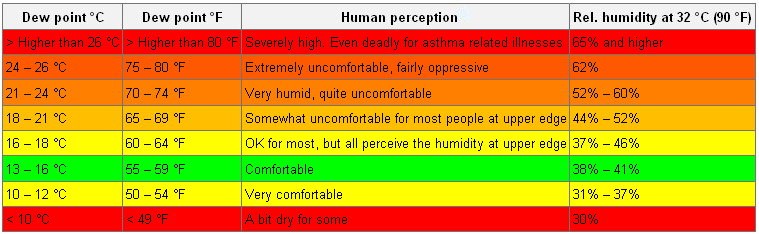
What really marks the end of summer is the lower humidity. You see, the low temperature can’t go any lower than the dew point, a measure of humidity. At that point, any further energy lost from the atmosphere is spent condensing water vapor, not reducing the temperature. Cold fronts that make it this far south serve to bring in cooler, less humid air, which permits the temperature to drop down to the now lower dewpoint. If you have ever been in Central Florida during the summer, you know that the air is so humid down here, it feels like you can cut it with a knife. It actually feels THICK as you inhale it, like you are breathing in air made of jello.
The dew point temperature is the temperature at which the air can no longer hold all of its water vapor, and some of the water vapor must condense into liquid water. At 100% relative humidity, the dew point temperature and the air temperature are the same, and clouds or fog can begin to form, and you find everything outside is covered in dew. While relative humidity is a relative measure of how humid it is, the dew point temperature is an absolute measure of how much water vapor is in the air (how humid it is). In very warm, humid conditions, the dew point temperature can reach 75 to 77 degrees F, but rarely exceeds 80 degrees. Except here. There were more than a few days this summer where our dewpoint was over 80 degreesF. The highest I saw this summer was a dewpoint of 84 degrees.
Autumn in Florida is when dewpoints get below 70 for longer and longer periods of time, making the air FEEL cooler, even if the thermometer doesn’t show it. Dew point is the best indicator of comfort in a hot climate. Once the dew point of the air exceeds 66 degrees Fahrenheit or so, the air begins to feel hot and uncomfortably stuffy. The reason for this is that your perspiration cannot evaporate to cool you off.
Here in Florida, there are 4 seasons:
Hot: March through May
F’ing Hot (Also known as Hurricane season, and in Orlando, tourist season): June through mid September
Still Hot: Mid September through Mid November
Snow Bird: Mid November through February
Autumn is, and always has been, my favorite season. Mostly because it marks an end to the insanely high temperatures of summer. You can finally go outside and do things. On the down side, that means I am going to have to clean the garage this weekend.
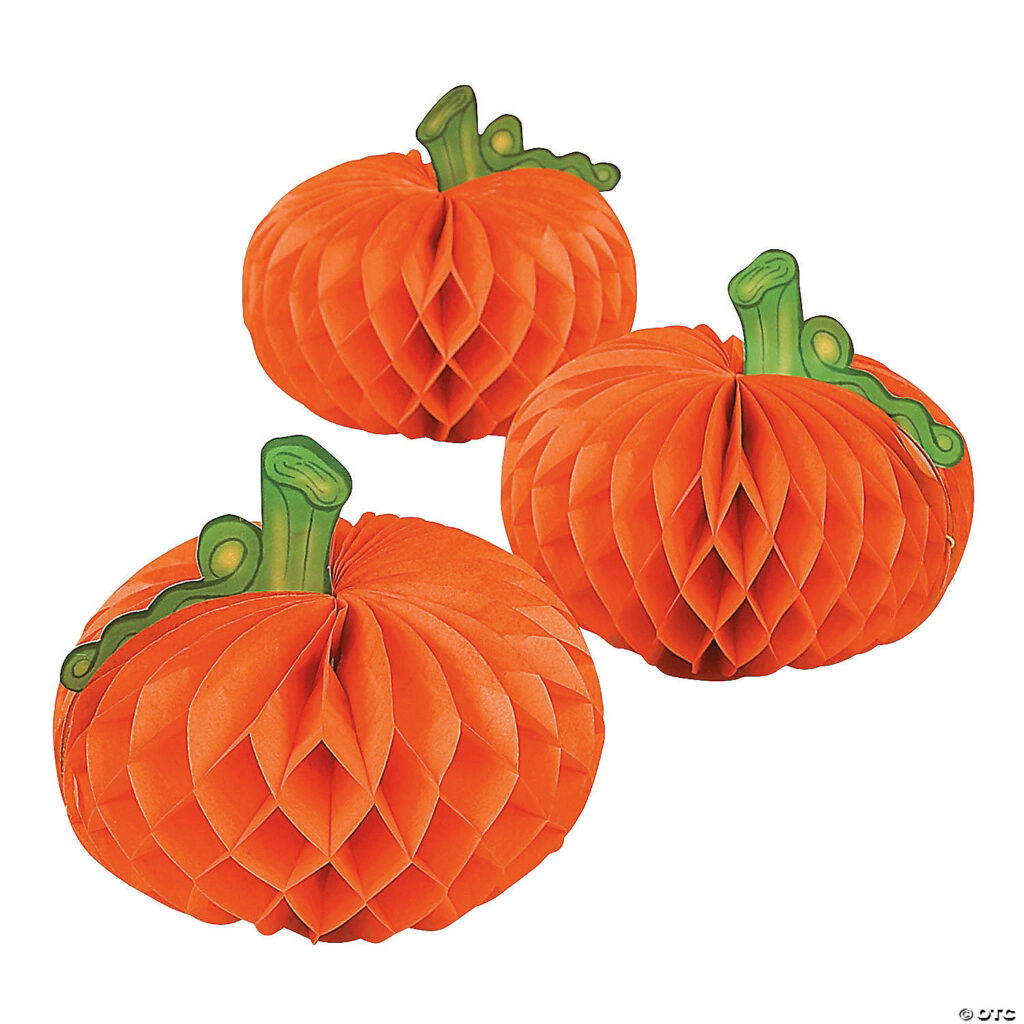
I still remember watching my mother put up those expanding paper fall decorations as the cooler breezes of fall pushed through the house.

The remainder of this year will be warm to hot, with occasional short cooler spells where the mercury ‘only’ makes it to 80 degrees or so. They are forecasting a late, but colder than normal winter. Let’s see how accurate that is.
0 Comments