I first referenced this video in 2015. Since I don’t have a post ready this morning, I will just rerun it.
Rigging the vote
14th Amendment Lawsuit
A group of five constituents of Marjorie Taylor Greene filed a lawsuit aimed at disqualifying the Georgia Republican from running for re-election over her role at the U.S. Capitol last January. The lawsuit argues that Greene is ineligible to run for federal office under a provision of the 14th Amendment that was ratified after the Civil War. They argue that J6 was an insurrection that bars anyone involved from holding office again.
A Federal judge that was appointed to the bench by Obama is allowing the lawsuit to move forward. If the lawsuit is successful, you can expect it to be used against DJT. To me, this entire thing is a violation of Greene’s Constitutional rights because Greene hasn’t been convicted of taking part in any insurrection, and this lawsuit is then violating her right to due process.
Grooming Children
WTF is Going On?
Simultaneously with the US push for pedophiles, we are seeing the same across the pond in the UK. What the hell is going on?
The Family Sex Show, taking place at The Egg Theatre in Bath, was created by firm This Egg with help from “education and safeguarding specialists”.
It features non-sexual nudity and explores topics such as consent, pleasure, queerness and gender.
The good part here is that parents in the UK are pushing back. The show had to be cancelled because too many of the staff were receiving threats. The creators of the show are still pushing their child grooming agenda. Their website is filled with grooming topics, with every bit of it aimed at children:
- Bodies and Touch
- What is Sexuality
- What are my Pronouns
- Loving Ourselves
- Centering Joy
Uncategorized
Because It’s Been Removed
A local news station published the engineering report from the incident where a child was killed on an Orlando thrill ride. Scribd has since removed it. I have the text from the report, and I will publish it here, so that it will be archived.
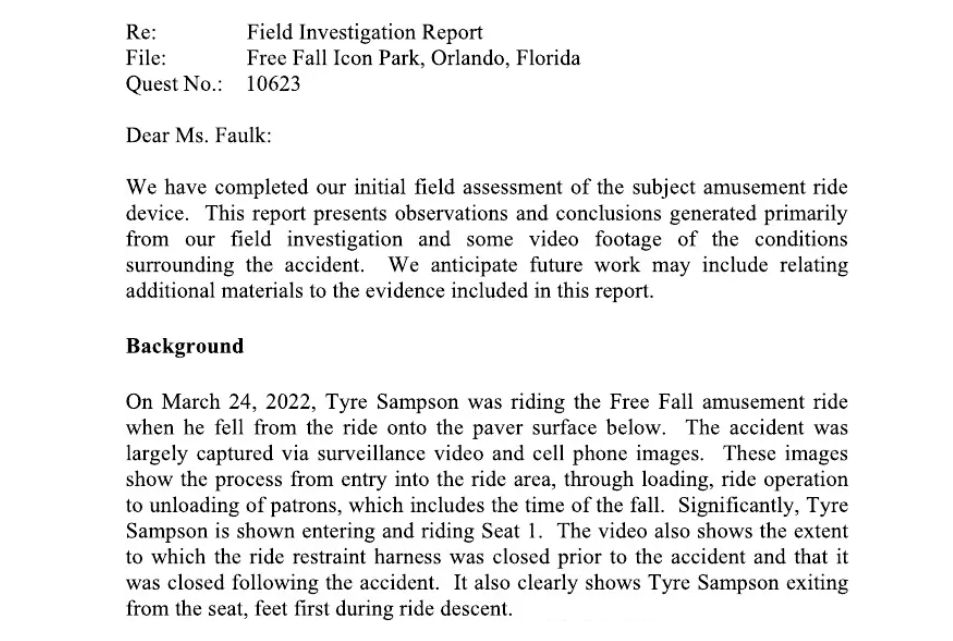

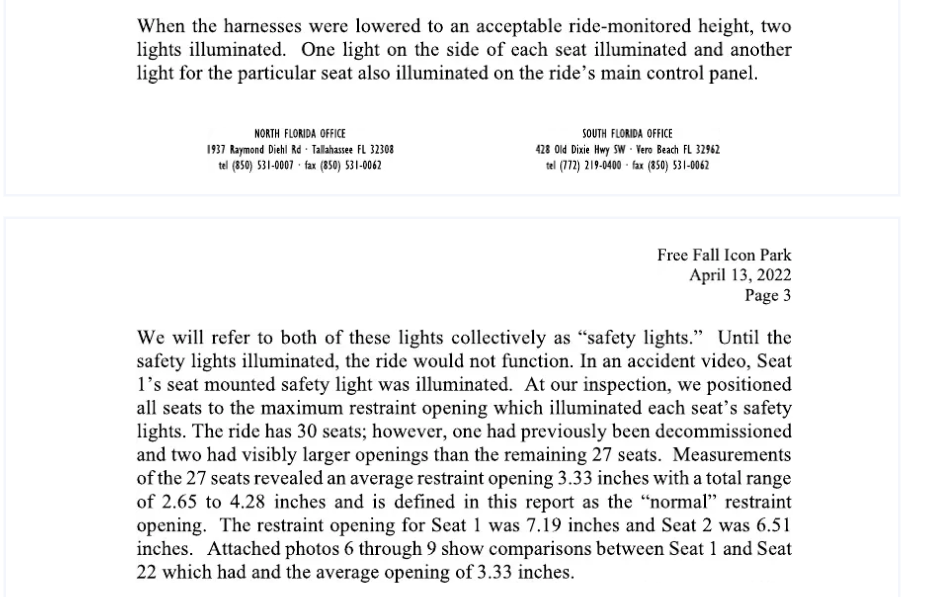


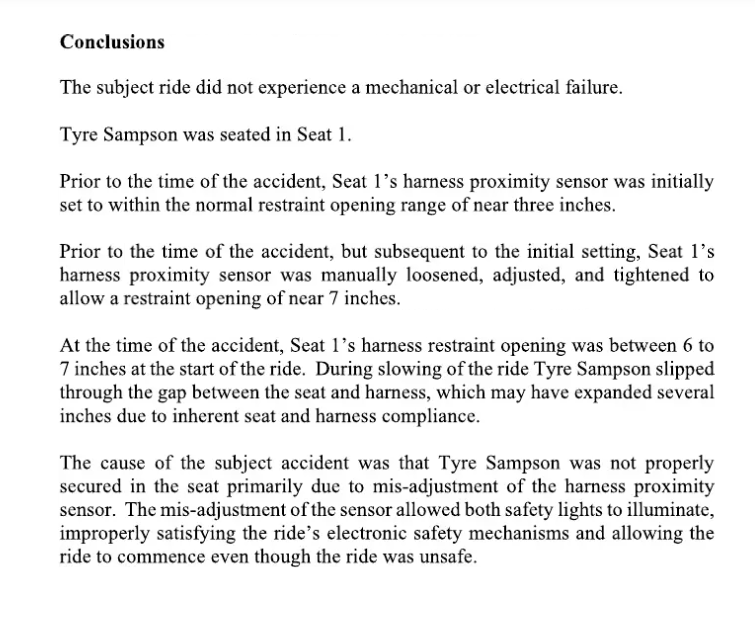
This reminds me of the movie “Idiocracy.” We have people who are poorly educated that are making adjustments to complex machinery with no idea how it works. This is because we are busy teaching CRT and SEL instead of math. The ride won’t work unless the light is on, so we will make adjustments to ensure that the light comes on: problem solved.
Brawndo has what plants crave.
Uncategorized
You Can’t Cancel Math
An Orlando station has been running with the story about Florida rejecting math textbooks for teaching other subjects like CRT and SEL instead of math. In the comments, this is where the debate has gone:
I’d like to see what the passages were that were rejected. Culturally Responsive Learning just means including topics that include a wide varied of cultures. Its been known for a long time for math to be more white centric. Standardized tests for instance use examples that are not culturally diverse. There is absolutely nothing wrong with CRL.
JustJenJen
Math is racist. LOL. If I have two apples, and someone gives me two more, how many do I now have? It doesn’t matter what race you are part of, you now have four apples.
My Reply, which actually got more downvotes than upvotes
The debate rages on from there, but JustJenJen keeps making the point that black students doing poorly on standardized tests is prima facie evidence that the tests are racist. This is a fallacy that is pretty widespread amongst the left. As far as the left is concerned, if something harms a black person or deprives a black person of something that they want, that thing is then inherently prejudiced.
This is known as “equality of outcome” or equity. This is different from “equality of opportunity” or simply equality. This entire concept is the basis of their communistic ideology, which is in itself just a grift.
Reality and the universe don’t work like that. Just ask the kid who died in the Orlando thrill ride. It seems that the ride had an interlock that would not allow the ride to operate if the restraint harness wasn’t closed with less than a 3 inch gap between the harness and the seat. This interlock wasn’t allowing large passengers to ride, and was an inconvenience. So the operator of the attraction adjusted one of the seats so that it would allow the ride to operate with as much as a 7 inch gap. Once the ride was in operation with this large rider, the physics involved expanded that opening to as much as 10 inches, allowing the rider to slip through to his death.
Engineering is nothing more than applied math, and math can be an unforgiving bitch. Math doesn’t care what race you are, math is math. You can’t simply cancel math because black people don’t understand it.
Cancel Culture
Tips Below 20% Make You a Racist Homophobe
According to this article, everyone should tip 20% no matter what.
You cannot will yourself to be blind to physical differences. Remove those biases by deciding to tip 20% before ever laying eyes on your server. Don’t even bring the quality of your service into the equation.
First, they attempt to quote scholarly sources like the characters in Harry Potter:
The sometimes-wise Sirius Black tells always-garbage Ron Weasley, “If you want to know what a man’s like, take a good look at how he treats his inferiors, not his equals.” Well said, dog stars!
The odd part is that this moron doesn’t even know that JK Rowling plagiarized that line from numerous historical figures.
Then they appeal to your leftist cred, because if you don’t tip at least 20%, you are a racist or something.
The tipping system also opens up opportunities for us to flex our unconscious biases. Racism, sexism, ageism, and ableism decimate the earning potential of many competent servers.
Not to be appropriative, but: you’re woke, aren’t you? A big part of being woke is admitting that you have unconscious biases.
Then they proceed to make flawed analogies:
I work a salaried job. I have bad days—days where I am grouchy, disorganized, and distracted. You know what my company doesn’t do in response? Send me a smaller paycheck that month.
Here is the flaw in your argument, cupcake: I am not your employer. You don’t work for me, I have absolutely no contractual obligation to you. If you don’t like your job or what you get paid, get a different job. To show you exactly how asinine and flawed your position is, I could use your same logic and apply it to my own job: If I have a great day at work and save your life, will you give me extra money in appreciation? If I have a bad day and kill your mother when I accidentally give her the wrong medication, shouldn’t I still get paid the same amount as when I saved a life?
This mental midget then goes on to make the classic threat that they always make: threaten to spit in your food.
Anti American left
Leftist Misogyny
The left supports women, unless they are:
- Competing Against a Tranny, or
- A Christian, or
- A conservative
Then they attack wherever and however they can.
tyranny
Two Years
It took two years for the courts to figure out that the Constitution doesn’t grant government the power to enact COVID restrictions.
economics
Visible Inflation
If you live in the southeast, especially in Florida, you know what Publix is. Publix is quintessential Florida and has been since before my parents were born. Things like BOGO and PubSub are just a part of what makes this store unlike others. Now I know that the prices are not always the lowest, but once you come to know Publix, you come to know when and how to get the best prices. The nice thing about Publix (and why prices are slightly higher) is that many of the products are locally grown: produce, meat, and much of the seafood comes from Florida, as do a lot of the other products.
One of the things that Publix does, is sell food items that make Florida culture what it is. In the spring, that always means grilling out. Yes, you know that spring has finally arrived when Publix begins selling the stuff you need for grilling your dinner. One of the meals that I always make to begin the spring grilling season is: BBQ chicken quarters, grilled ears of yellow corn still in the husk, fries, and grilled watermelon.
I went to Publix to get the stuff today, and this is what I saw:

There are so many things in this picture that are problematic.
- First, its bicolor corn, not yellow. There is no yellow corn.
- Second, bicolor corn is usually even cheaper than yellow.
- Third, ears of yellow corn have sold 5 for $2 every spring and summer for the past few years. Until now.
So this is not only a shortage, but also indicates about a 70% year over year increase in the price of corn, and the corn you get for that inflated price is inferior to what you got just a year ago.
Next, I stopped by the meat department for the chicken quarters. They had chicken breasts, they had thighs, and they had breasts, but no quarters. The butcher asked me if I was looking for anything, and I told him I wanted some chicken quarters for some grilling. He laughed and said he was looking for a blonde millionaire who would trade him a Ferrari for some sex. I told him that he must be keeping his Ferrari out back with the chicken quarters. We laughed, but then he said that they have been hard pressed to keep the meat department stocked over the past few weeks.
The signs are being carefully hidden, but they are there. It’s ominous, but the signs are there.
Cancel Culture
Left Killing Their Own
A law firm that has been fighting for nature to have Constitutional rights by filing lawsuits to get court precedent is being accused of transphobia. I love it when liberals eat their own.
Since last summer, seven of the 15 staffers or contract attorneys have left the nonprofit Community Environmental Legal Defense Fund, which gained some renown in recent years as a leader of the “rights of nature” movement to win civil rights for parts of the environment. Three of those who quit told E&E News the organization was divided by a toxic work culture that resisted efforts to make it more inclusive, including for LGBTQ people.