If my attacker doesn’t take any other action, I’m not going to do anything else. I said:
Let it go. As long as you keep this going, it keeps going. Or you can keep throwing your temper tantrum and stalking me, and we keep posting about this.
I meant it. If she lets it go, I won’t respond further. I’m not an asshole. If she learned her lesson, we are done here. I’m only defending myself from an attack on my livelihood, an attack that was made because I expressed my opinion.
So, I’m gonna end it. If someone comes to me with evidence that she continues to try to come at me, or if I hear from her again, that will be a different story, but until that time, I’m done with it. I have other things to do than fixate on this.
If there’s unrest downtown or mass shootings elsewhere in Chicago this Memorial Day holiday — often among the year’s most violent weekends — a special team of 30 “Peacekeepers” wearing yellow vests will be mobilized to help calm things down, state officials said Tuesday.
I have received a report that my RSS feed hasn’t been working since 5/21. My reader seems to see all of the current posts. Is anyone else aware of any problems?
If we have learned anything in the past few days, it is this:
The left will try to destroy you if you vary a bit from their desired narrative. If they find out who you are, they will try to silence you, get you fired, and threaten you with the police and lawsuits. It’s important to keep your details private. That is why I have no social media in my own name. None. I have this blog and a Twitter account under the same name.
These leftist, communist assholes will try whatever it takes to ensure that their opinion is the only one that is heard, yet spend time calling us fascists. Remember- you only get flak if you are over the target.
I just saw this job listed for a Consular Assistant in Namibia. It requires a Bachelor’s Degree and One year of experience. It also requires fluency in Namibian. Ok, a little specialized, but that hardly justifies the $340,000 a year in starting pay.
Compare that to other jobs that earn an average (not starting) pay of more than $300,000: Neurosurgeon, Cardiac Surgeon, and other jobs requiring 12 or more years of school and years of experience.
It appears that the ATF rule against pistol braces that is due to go into effect on June 1 does not apply to members of the FPC. I am not sure if this is a nationwide injunction, or just in the Fifth circuit. Read more here.
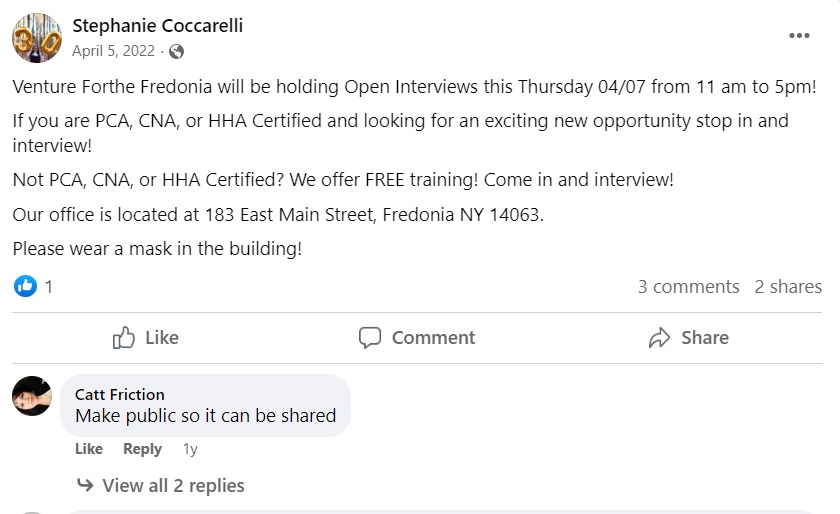
Check it out. The idiot is still pushing it. The following email is from Stephanie Tuttle Coccarelli of Fredonia, NY, a 30 year old Recruiting specialist who works for Venture Forthe, as per her public Facebook and LinkedIn account postings.
How did your convo with my FORMER employer go?
You can expect my attorney’s response and police report to follow. 😉
Unless you’d like to just remove the identifiable information now. You do not have my permission to share and I will involve whoever needs to be involved to get it removed.
I have already been in contact with all of your registrars to have my personal information removed.
I never doxxed you, like you’re falsely claiming so maybe we need to consider investigating libel as well.
Consider this an informal cease and desist, while the mail delivers the certified copy.
Let me explain to you how the world works. You told me that you were reporting me to my registrar, and were going to get me fired. You set up a campaign amongst your followers to get me kicked off Twitter. I have screen shots. Truth is an absolute defense to libel. It’s called the substantial truth doctrine. Everything that I posted was true to the best of my knowledge and belief. Again, I have screen shots to prove it. Remember that in any legal action, everything that you posted is admissible and can be produced by Twitter in response to a subpoena. Oh, and I am saving a copy of your email as proof of your continued threats and harassment. Appended to the end of this post is the header from your email. So let’s review your statements:
You said that “Good thing your [sic] pretty anonymous or you’d be getting called in to HR for violations of your obligation to treat all patients with respect.” then you included a picture of a hand flipping the bird. So the implied threat here is that, once you identify me, you will be calling my HR department. Now that you have emailed me, I guess the conditions for you threatening my job have been met. Oh, and posting screen shots of this blog on Twitter and making threats is also evidence of your stalking..
I believe that your CURRENT employer is Venture Forthe, since you posted about a job fair there just last year. You made the post public specifically so that it could be shared. That places it in the public domain, you stupid cow.
Everything that I posted was freely available public records, or had been freely shared by you on the Internet. There is nothing illegal about that, as things YOU post on the Internet are in the public domain. Registrars have no control over content, so they aren’t going to be doing anything. You don’t know what a registrar is, and I am betting you don’t have a lawyer, either. If you did, he would be facepalming at how you keep stalking me.
There is nothing legally actionable in me responding in kind to your continued campaign of harassment. I am not removing shit. Send me a cease and desist, send in a police report, I don’t care. I also want to point out that every time you send me something, I will post a link to that information, which will only serve to increase my search engine rankings and make it more visible to search engines like Google. Thanks. I can see the posts where you asked your followers to identify me and come after me. I have screenshots of that, too.
My advice to you is this: Let it go. As long as you keep this going, it keeps going. Or you can keep throwing your temper tantrum and stalking me, and we keep posting about this. In the meantime, everything that you post is being recorded for posterity, because the Internet is forever.
Two guys in a car that was reportedly stolen in an armed carjacking. The cops do a high risk stop and notice that the driver has a gun in his waistband. They tell him to drop to the ground. He reaches for the gun, gets ventilated, then it turns out that the gun was a toy.
Some say that the cops overreacted, the guy heard “drop” and went to pull the pistol out to drop it on the ground when they were quick to shoot him. I think, “Don’t carjack people at knifepoint and carry a toy gun around in your waistband” What do you think?
Why would anyone reach for an airsoft gun in this situation? Darwin Award…
"The weapon in Lopez-Castaneda’s waistband was later discovered to be a full metal replica of a Beretta M9 pistol."
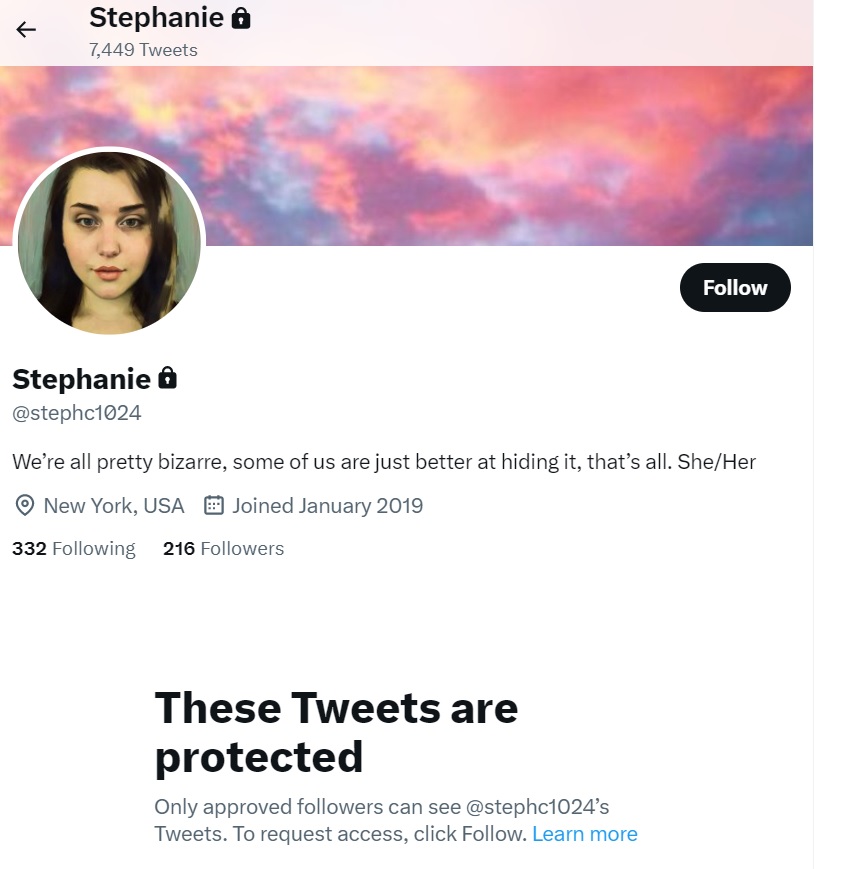
The woman who decided to come after my job and my rights to speak? I don’t know if it’s because of Social Media blowback, or if it was in response to me emailing her employer, but her Twitter account is now set to private.
Who got silenced now, bitch? Since you like Breakfast club quotes so much (that is how I found so much of your shit- you used the same quote on every one of your social media accounts)
We are not taking your shit any more, Karens of the world. Check Target’s stock price for more details.
EDITED TO ADD:
This was all she got with all of that:
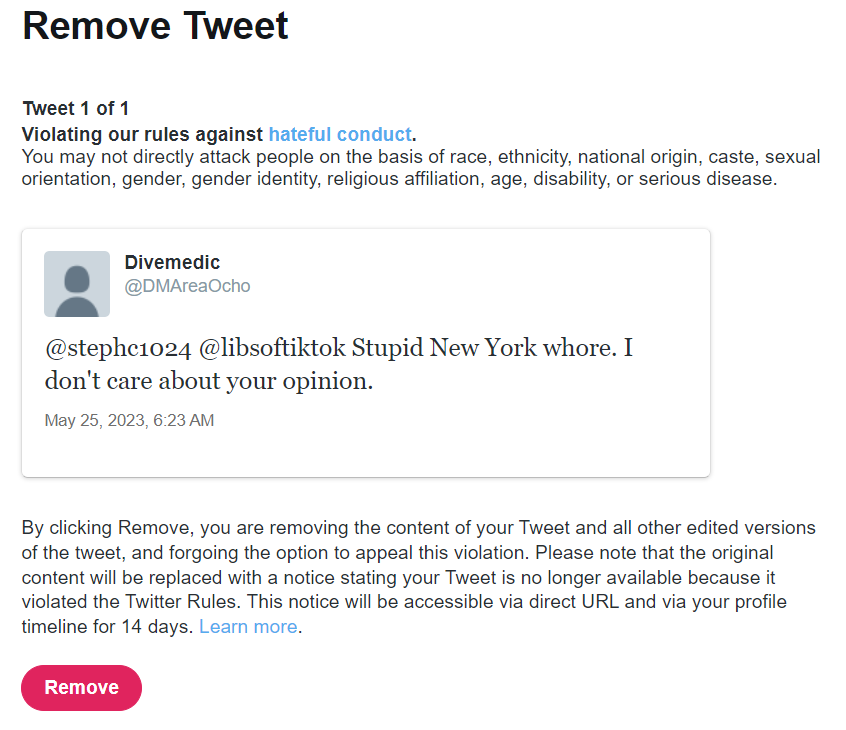
I had to remove the post that called her a whore. Hey Stephanie- how did your meeting with HR go?
The Orlando Police Department has made an arrest in a shooting that killed a teenager and injured two others.
The suspect has been identified as Jasper Rollins (16 yrs old). He has been charged with First Degree Murder with a Firearm. pic.twitter.com/Xp32DnmyKj