When I got a Bachelor’s Degree in EMS administration, my capstone research project was about violence against healthcare workers. Emergency medical workers are the victims of workplace violence more often than any other profession: more than police, prison guards, and convenience store clerks. I don’t know why, but people generally have no problem attacking EMS and emergency room workers. Scenes like the one in this post are actually more common than you would think.
I have always taken the position that no one should have to be a complacent target of someone else’s misplaced intoxicated rage. Many employers view self defense as a form of violence. I have even had coworkers (nurses, EMTs, and paramedics) tell me that “we are held to a higher standard, and shouldn’t succumb to the instinct of defending ourselves.”
Bullshit.
I don’t care what profession I am in- I should not have to be, and refuse to be, someone’s punching bag. That doesn’t mean that my response shouldn’t be proportional to the level of the attack. A woman hitting me like that is going to be put in a wrist lock. If you have an effective wrist lock, you can work against the joint just a bit to cause pain compliance. If they struggle more, twist a bit harder, and they will bend away from you. It’s an amazingly effective technique in controlling a violent patient without causing injury. Just don’t overdo it, or you will wind up having to explain and treat a broken bone.
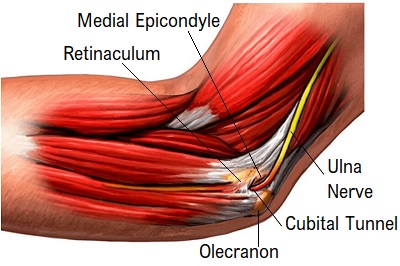
If you couple it with pressure on the ulnar nerve, forcing it to be compressed between your fingers and the olecranon, it causes a good bit of pain without causing permanent injury. It’s essentially compressing “the funny bone” and, properly applied causes the same sort of pain you feel when you hit your elbow and feel the fire sensation running down your arm.
It’s a skill worth learning to subdue people without permanently hurting them.